The Story
This suite of original music tells the story of Frank Lloyd Wright’s dramatic personal life, while drawing on the principles of his artistic philosophy. In addition to Wright’s inspiring creations as an architect, he showed remarkable resilience through multiple personal tragedies. In 1914, while away from Taliesin, the house was burned to the ground by an employee, who also murdered seven of the inhabitants with an axe — including Wright’s second wife, Mamah, and her two children. Wright rebuilt Taliesin, only for it to burn down again in 1925 after sparks from a telephone’s faulty electric wiring caught fire by his bed. Wright and others spent several hours fighting the fire themselves, and Wright was so desperate to save the building that, along with burning the soles of his feet, he burned his eyebrows off. After this, Wright rebuilt Taliesin for a third time, which is the building that stands today.
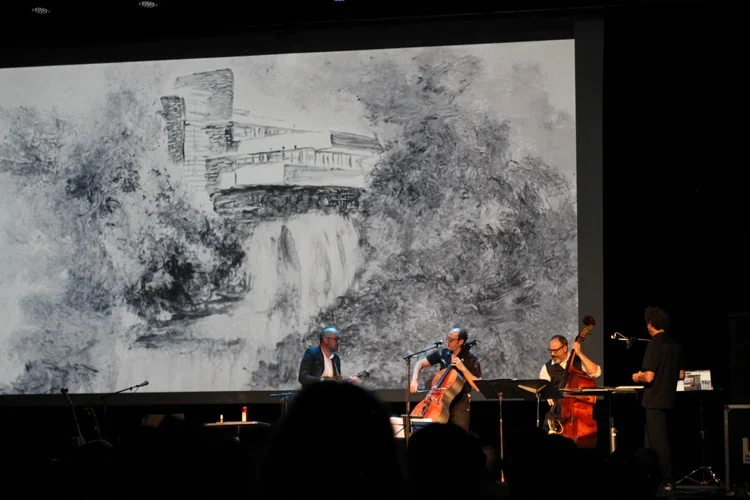
After the Great Depression (1929), Wright lost all of his work, as high-end clients could no longer afford custom-designed homes. Having been active since 1893, Wright was considered “washed up” and “out of date” by the architectural community. It was at this time that he started teaching through his Taliesin Fellowship, founded in 1932. There, one of his students convinced his family to hire Wright to design a summer home in Pennsylvania. This became what we now know as Fallingwater (1935), which landed Wright on the cover of TIME magazine (1938) and triggered a massive renewal of his career. In fact, the vast majority of Wright’s output came in the two decades after Fallingwater, when he was in his 70s and 80s, culminating in the Guggenheim Museum in NYC (1959), which was completed the year Wright died at age 91.
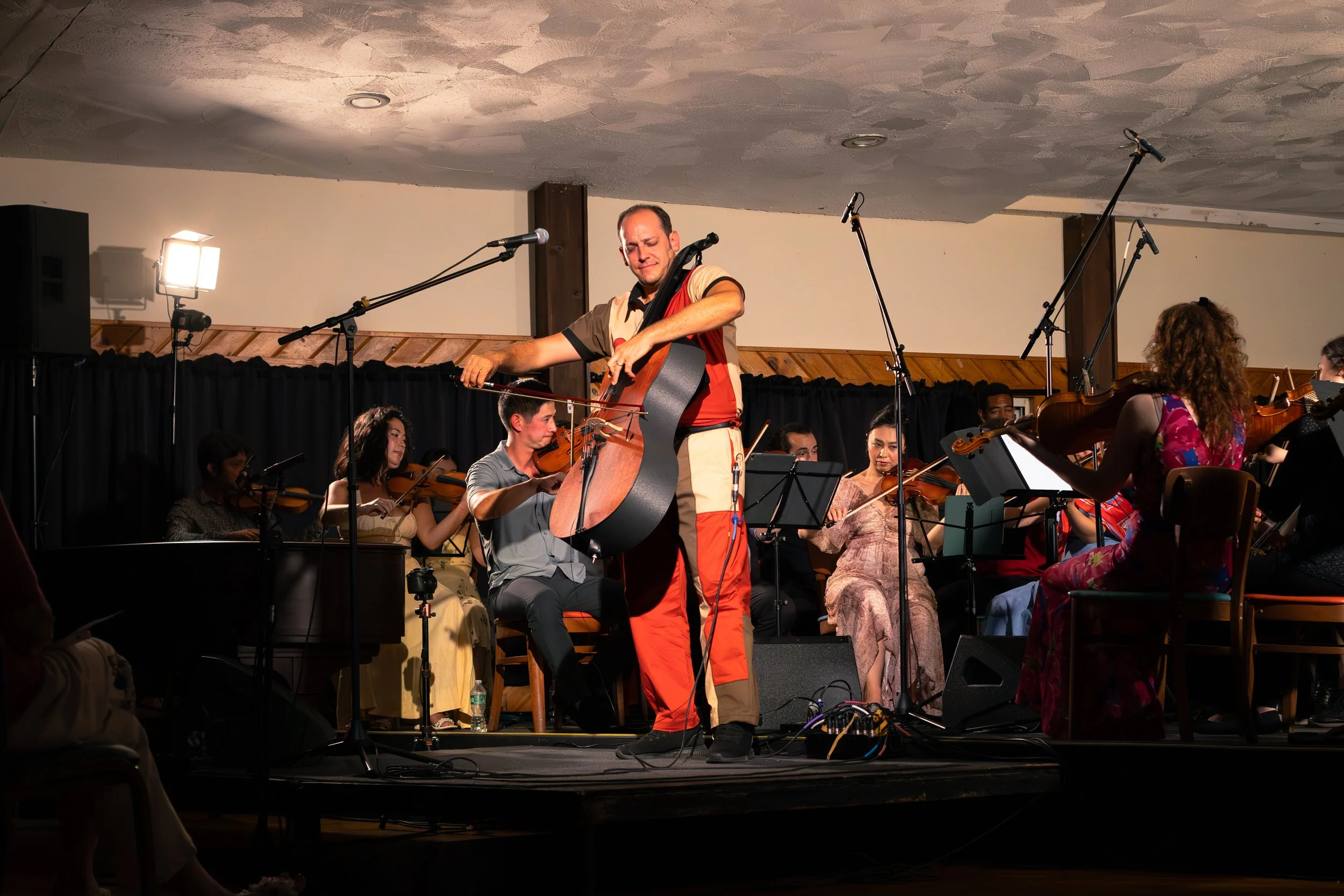
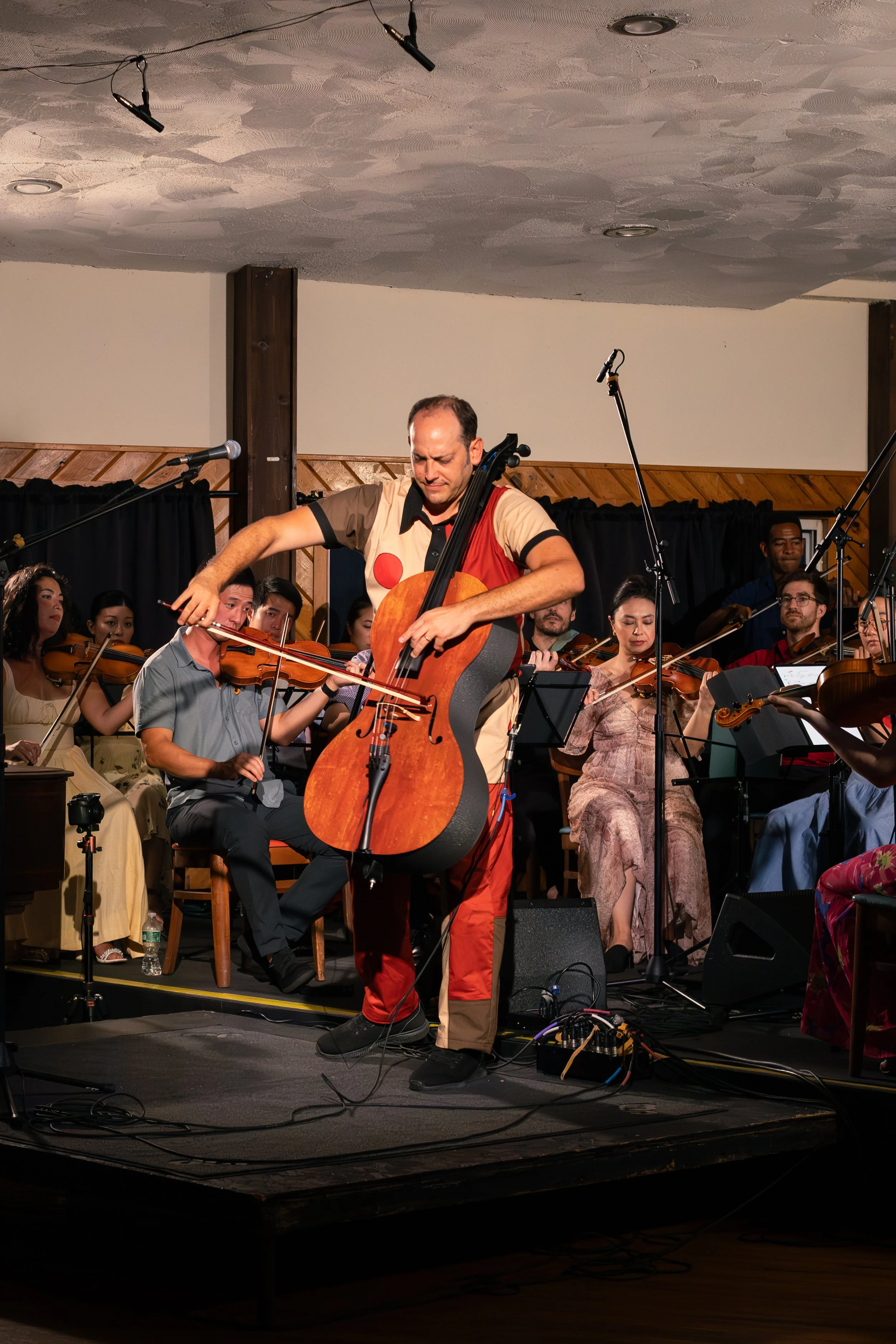
In Block’s composition Hope on the Hill, the opening short movements (“The Hillside” / “Construction”) contemplate the natural Wisconsin environment on which Wright was inspired to design Taliesin, as well as the construction of the home itself. The first song, “Finally Home,” explores the forward-looking optimism of building something new, ending with the completion of this utopian site. The second song, “Life in the Blue Room,” is a celebration of the life that happened inside Taliesin, after which “Fire upon Fire” movement laments the recurring destruction of all that had been built. The emotional heart of the suite, “Waterfall” depicts the resurgence of life after death, representing both the literal rebuilding of Taliesin and the metaphorical rebuilding of Wright’s life and career after tragedy. The suite ends with the eponymous song “Hope on the Hill,” meditating on Wright’s incredible resilience and inspiring audiences to find a similar force of will.